
There’s a new gatekeeper between you and your next customer.
It’s not a search algorithm. It’s not a review site. It’s Google’s AI, and it’s picking up the phone.
According to Joy Hawkins, Google’s “Ask for Me” feature is now live across the United States, and it’s changing how consumers find and compare local service providers.
Instead of scrolling through listings or calling three plumbers themselves, customers tap a button and let Google’s AI do the legwork. The AI calls businesses, asks about pricing and availability, then sends the customer a summary comparing their options.
If your team isn’t prepared to handle these calls correctly, you’re losing jobs before you even know you were in the running.
Table of Contents
How “Ask for Me” Actually Works
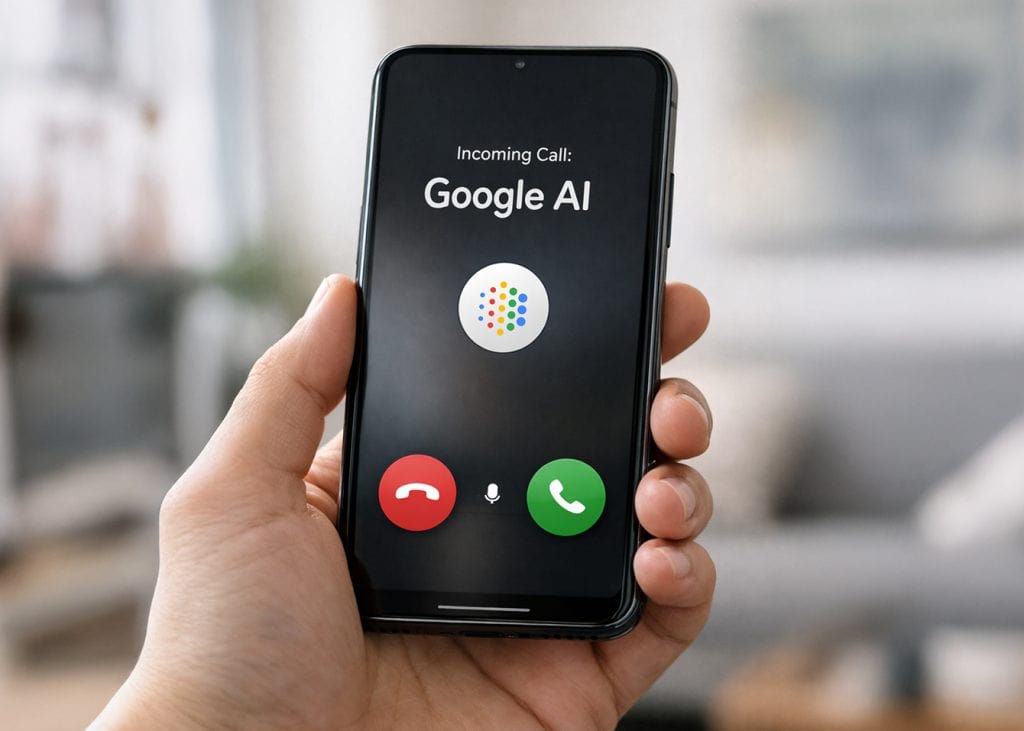
Here’s the scenario: A homeowner searches “plumber near me” on Google. Instead of calling around, they tap “Have AI check pricing.” Google’s AI then calls the top businesses in the local map pack, typically the top three results.
The AI asks straightforward questions:
- What are your rates?
- What’s your service area?
- Do you have emergency availability?
It’s looking for clear, direct answers that it can relay back to the consumer.
If Google can’t reach your business or can’t get usable pricing info, you’re grouped into a “couldn’t be reached” bucket in the results that get sent back to the user. (Nick Meagher, Twitter, 2025).
That’s effectively a soft disqualification, BEFORE you even knew you were competing.
The Numbers Are Alarming
Recent research from Invoca tracked these AI-initiated calls from July through November 2025, and the growth is staggering.
Call volumes surged over 300% in November compared to October. For plumbing specifically, volumes jumped over 650% in a single month.
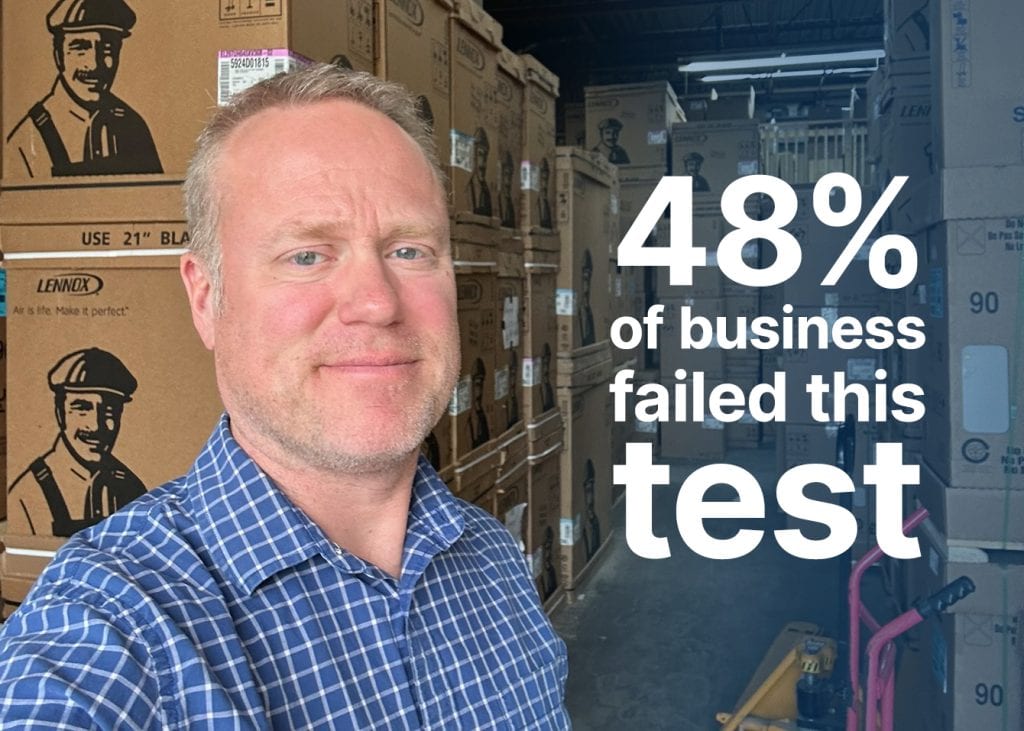
But here’s what should concern every business owner: 48% of businesses that answered failed to provide pricing information.
When you’re talking to an AI intermediary comparing you against competitors who did provide a range, it’s a dead end.
The unanswered call rate makes it worse. One in four calls from Google’s AI (26 %) went completely unanswered.
That’s about a quarter of potential leads that never got a chance.
Why This Changes Everything for Home Services
The traditional phone call worked because you could build rapport. You could ask questions, understand the situation, and guide the conversation toward booking an appointment.
With AI-mediated calls, that entire dynamic disappears.
You’re no longer selling. You’re being compared in a standardized way against everyone else in your market.
Think about what this means for your local SEO strategy. Being in the map pack has always mattered. Now it matters even more, because that’s the pool Google’s AI calls from.
But ranking there isn’t enough if your team fumbles the call itself.
Related: AI isn’t just changing how Google ranks your business, it’s changing how customers find you in the first place. We recently got a front-row seat to what search marketing leaders are saying about AI-search.
What Your Team Needs to Know Right Now
The fix isn’t complicated, but it does require preparation. Your staff needs to understand three things.
1. Google AI Calls Are Opportunities, Not Spam
Google’s AI identifies itself as an automated system calling on behalf of a user. Your team needs to treat these calls with the same attention they’d give any other lead.
2. Have a Pricing Framework Ready
You don’t need exact quotes. You need ranges.
“A typical drain clearing runs between $150 and $300, depending on what we find. Emergency calls are an additional $75.”
That’s enough. That puts you in the comparison list.
3. Always Provide a Next Step
Even though the AI caller isn’t the actual customer, your team should offer something actionable: “We can typically get someone out same-day. The customer can book directly on our website or call us back to schedule.”
Your Simple Script for Google AI Calls
Here’s a framework for handling these calls in under 30 seconds:
- Service confirmation: “Yes, we handle [service type] throughout [service area].”
- Pricing range: “Typical jobs run between $X and $Y, depending on [common variables].”
- Availability: “We usually have same-day/next-day openings.”
- Next step: “The customer can reach us at [phone] or book online at [website].”
That’s it. Clear, direct, and it gives the AI exactly what it needs to include you in the comparison.
Preparing for What’s Next
This feature is U.S.-only for now, with Canadian availability expected sometime in 2026. That gives you time to prepare… but not much.
The businesses that will win in this new environment are doing three things:
- They’re ensuring their local SEO keeps them visible in map pack results
- They’re training their teams to handle AI-mediated calls confidently, and
- They’re creating simple scripts that provide the information these systems need.
Your competitors who dismiss this as “just another tech trend” are about to learn an expensive lesson.
The first conversation with a future customer might not be with a customer at all. It might be with an AI that’s deciding whether you make the shortlist.
Make sure you do.

Get Started Today
Start getting the online leads your quality business deserves today. Get a free no-obligation initial 30 minute consultation from one of our Google Certified Experts.
An EnvisionUP expert will respond within one business day or less with the next steps.